
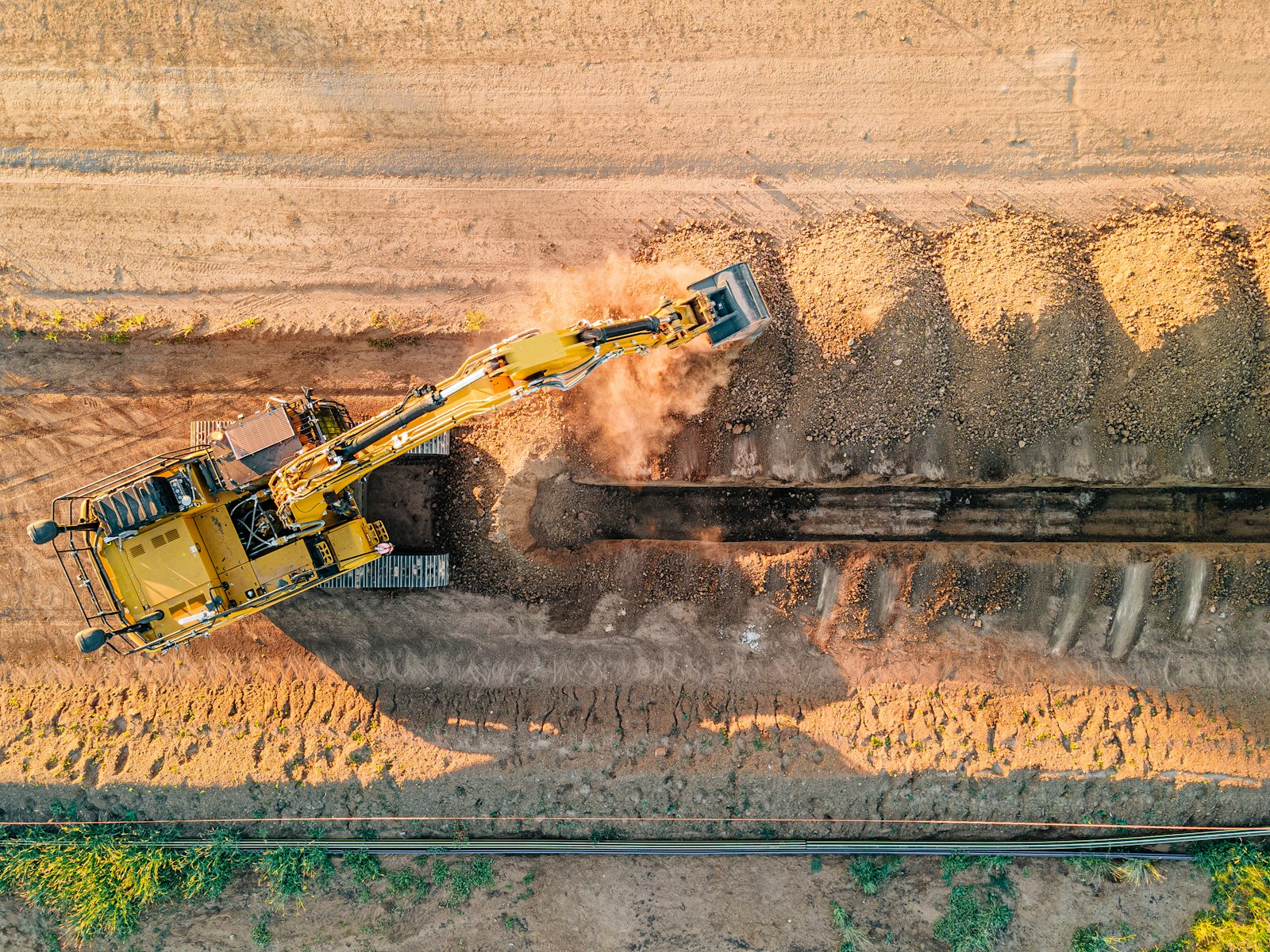
Septic System Installation in Middle Tennessee
Conventional & LPP systems — installed statewide across Tennessee, including Williamson County. Full site prep and TDEC permit coordination included.
Licensed septic installation statewide across Tennessee, including Williamson County.
Whether you're building a new home in Maury County, developing rural land in Rutherford County, or replacing a failing system — the right septic system starts with the right site prep. Back 40 Land Services installs both conventional gravity septic systems and Low Pressure Pipe (LPP) systems and handles every inch of the site work that makes a successful install possible.
Current active service territory: Back 40 installs conventional and LPP septic systems statewide across Tennessee, including Williamson County, which has its own rules and licensing requirements. Local pages: Maury County and Rutherford County.
Tennessee's clay-heavy soils can make septic permitting challenging. We know what TDEC and county health offices require, and we coordinate every step — soil evaluation, permitting, clearing, grading, and final installation. Not sure which system your site needs? Read our guide: Conventional vs. LPP — which do you need?
Conventional vs. LPP Septic Systems: Which Do You Need?
Conventional Gravity Septic System
The standard choice for most Middle Tennessee properties with suitable soil conditions. Wastewater flows naturally from the tank to a drain field by gravity — no pumps or electricity required.
Best Suited For
- Properties with deep, well-draining soil (perc test passing)
- Relatively flat to gently sloping lots
- New construction and replacements on similar terrain
- Sites with ample setback from wells, creeks, and property lines
Pros
- + Low maintenance — no pump or electrical components
- + Lower upfront and long-term cost
- + Proven reliability for decades when properly sized
Cons
- − Requires favorable soil perc results
- − Not suitable for high-water-table or clay-heavy sites
Low Pressure Pipe (LPP) System
LPP systems use a pump to distribute effluent evenly through small-diameter pipes across a shallow, pressure-dosed drain field. Required by Tennessee regulators on sites where gravity systems won't work.
Best Suited For
- Sites with shallow soil depth or bedrock close to surface
- Lots with high seasonal water tables
- Clay-dominant soils common in Middle TN (Williamson, Maury, Rutherford counties)
- Properties with challenging grades or limited drain field area
Pros
- + Opens up sites that would otherwise be unbuildable
- + More even effluent distribution = longer drain field life
- + Required and approved by TDEC for difficult sites
Cons
- − Higher upfront cost due to pump and controls
- − Requires periodic pump inspection and maintenance
- − Needs reliable power source
What's Included
- Conventional gravity septic system installation
- Low Pressure Pipe (LPP) system installation
- Site clearing and grading for drain field and tank placement
- Coordination with licensed engineers and TDEC permitting
- Existing system repairs and drain field restoration
- Septic-ready land prep for new construction lots
- Septic installation statewide across Tennessee, including Williamson County
Frequently Asked Questions
Septic Services by Type
Septic Installation by County
Educational Resources
Related Services
Get a Free Estimate
Not sure which system your property needs? We'll walk you through the options — no pressure, no obligation.
(615) 609-0053✅ Veteran-Owned & Operated
✅ Licensed & Insured
✅ Free On-Site Estimates
✅ Conventional & LPP Systems
✅ TDEC Permit Coordination